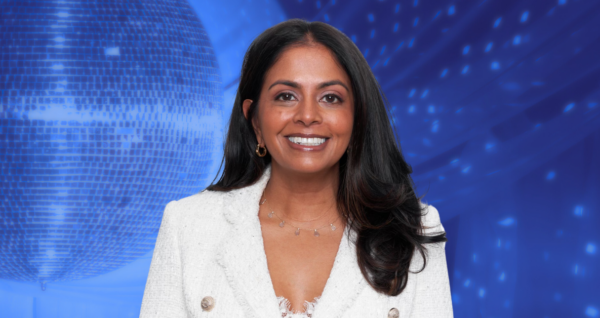

Nadia Murad, 2025 Abely Awards Honoree

Established 28 years ago by Davis Polk, Sanctuary for Families, and Columbia Law School, the Abely Awards honor individuals who have made a difference in the lives of survivors of gender violence.

Established 28 years ago by Davis Polk & Wardwell LLP, Sanctuary for Families, and Columbia Law School, the Abely Awards honor individuals who have made a difference in the lives of survivors of gender violence and who embody Maryellen Abely’s compassion, zeal, energy, and dedication.

This year, we are thrilled to present the 2025 Abely Leading Women and Children to Safety Award to Nadia Murad, human rights advocate and Nobel Peace Prize awardee.

INTRODUCING NADIA MURAD

Nadia Murad is a Nobel Peace Prize laureate, human rights activist, and survivor of the Yazidi genocide. After escaping captivity by ISIS, she dedicated her life to advocating for survivors of sexual violence and seeking justice for persecuted communities. As the founder of Nadia’s Initiative, she leads global efforts to rebuild communities affected by conflict and hold perpetrators of mass atrocities accountable.

Murad was awarded the Nobel Peace Prize in recognition of her unwavering commitment to ending conflict-related sexual violence. She has addressed the United Nations, governments, and international organizations, calling for justice and policy reforms to protect vulnerable populations.

Through her advocacy, Murad continues to amplify the voices of survivors, ensuring that their experiences lead to meaningful action toward peace, security, and human dignity.


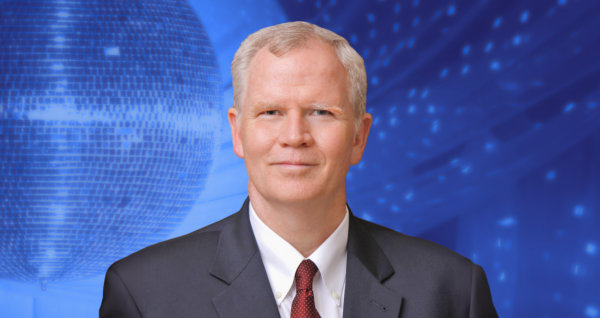
Garrard R. Beeney, 2025 Abely Awards Honoree

Established 28 years ago by Davis Polk, Sanctuary for Families, and Columbia Law School, the Abely Awards honor individuals who have made a difference in the lives of survivors of gender violence.

Established 28 years ago by Davis Polk & Wardwell LLP, Sanctuary for Families, and Columbia Law School, the Abely Awards honor individuals who have made a difference in the lives of survivors of gender violence and who embody Maryellen Abely’s compassion, zeal, energy, and dedication.

This year, we are thrilled to present the 2025 Abely Pro Bono Award to Garrard R. Beeney.

INTRODUCING GARRARD

Garrard R. Beeney is co-head of the Intellectual Property and Technology Group at Sullivan & Cromwell. He has argued cases nationwide, including twice before the United States Supreme Court, and is widely recognized as a leading trial lawyer. Publications such as The American Lawyer, Forbes, The Legal 500, and Benchmark Litigation have praised him as “a master strategist” and “one of the best trial lawyers in the world.”

Mr. Beeney has also demonstrated a deep commitment to public service. He served for over a decade as deputy mayor of Irvington, New York, chaired the board of Mercado Global, and currently serves on the boards of Sanctuary for Families and Graham Windham. His pro bono practice includes major victories advancing the rights of domestic violence survivors and LGBTQ+ individuals, as well as securing the restoration of voting rights for 60,000 African Americans in South Carolina.

Most notably, he led the effort to secure a resentencing under the Domestic Violence Survivors Justice Act for Nikki Addimando, a survivor who was serving a 19-year-to-life sentence for defending her life against a gun-wielding, severely abusive intimate partner. The case, involving over 4,000 hours of legal work, resulted in her release in January 2024. He continues to advocate on critical issues including reproductive rights, trans healthcare access, and legal protections for survivors of rape, abuse, and cyberstalking.

CSW69 Panel: Strengthening the Hague Convention for Domestic Violence Survivors

Sanctuary for Families hosted a groundbreaking expert panel discussion in parallel with CSW69, focused on the 1980 Hague Convention on International Child Abduction and its problematic application to survivors of domestic violence fleeing abuse.

On Tuesday, March 11, Sanctuary for Families hosted a groundbreaking expert panel discussion in parallel with the 69th session of the Commission on the Status of Women (“CSW”), an annual two-week session hosted by UN Women. The Sanctuary event, Beyond Borders: Strengthening the Hague Convention for Domestic Violence Survivors, focused on the 1980 Hague Convention on International Child Abduction (the “Convention”) and its problematic application to survivors of domestic violence fleeing abuse. As far as we are aware, it was the first CSW parallel event to address the intersection between the Convention and domestic violence.

This panel was organized by Sanctuary’s Narkis Golan International Child Abduction Initiative, a new Sanctuary project aimed at improving outcomes for domestic violence survivors in Hague Convention litigations. The project primarily serves mothers fleeing domestic violence to protect themselves and their children. The project provides crucial support to clients through screenings, pro se advice and assistance, and connecting clients with pro bono attorneys across the U.S.

watch panel recording

The Hague Convention and Its Limitations

The Hague Convention on the Civil Aspects of International Child Abduction was established over forty years ago to ensure the prompt return of children wrongfully removed or retained across international borders. Its intent was to protect children from the harms of international abduction; it has never been updated to address cases where a parent flees across borders to escape domestic violence.

A key provision within the Convention is the Article 13(b) “grave risk” exception. This defense allows a parent to argue that returning the child to their home country would expose them to physical or psychological harm or place them in an intolerable situation. However, proving this defense can be complex and challenging, specifically for protective mothers who are seeking refuge from domestic abuse and who often have no money to hire an experienced attorney to help them assert the complicated defense.

Panel Discussion: Addressing the Gaps in the Convention

The panel brought together renowned experts to evaluate the Convention’s failure to protect survivors of domestic violence and their children adequately. These experts proposed best practices and solutions to improve the implementation of the Convention, specifically for fleeing mothers seeking safety and protection.

The panelists included:

  • Reem Alsalem, UN Special Rapporteur on Violence Against Women and Girls, who has been instrumental in raising awareness of the difficulties faced by Hague Mothers.
  • Adrienne Barnett, Professor of Family Law at Brunel University, London, who focuses on family law and the Hague Convention, among other areas.
  • Janaína Albuquerque Azevedo Gomes, Legal Coordinator at REVIBRA Europe, a dual-qualified lawyer practicing in Brazil and Portugal, with expertise in cross-border family law.
  • Maria Jose Vallejo Manzur, Director of the Bi-National Project of Family Violence at Texas Rio Grande Legal Aid, a dual-qualified lawyer practicing in the U.S. and Mexico.
  • Merle H. Weiner, Professor at the University of Oregon School of Law, who has extensively written on the impact of the Convention on domestic violence survivors.

Key Discussion Topics

The panelists began by addressing the foundational issues with the Convention in the context of domestic violence. Topics included the history and goals of the Convention, the challenges of the “Grave Risk of Harm” defense, unequal access to justice, and the issue of protective mothers being perceived as “abductors.” The gender dynamics present in these cases were also explored, shedding light on how the legal framework often fails to consider the realities of domestic violence and its effect on mothers.

The panelists also discussed the concept of protective measures, which in theory are supposed to help survivors and their children safely return to the left-behind country. They emphasized the practical difficulties domestic violence survivors face in trying to enforce these measures, as well as the fact that the measures often fall far short of the protection they and their children need to truly mitigate the risk of further physical and/or psychological harm. The second half of the conversation shifted to the human rights implications in Hague domestic violence cases. The panelists shared insights from their respective jurisdictions and examined the broader human rights concerns at play.

The panel concluded with an analysis of potential solutions, such as the need for updates to the Convention’s Guide to Good Practice, improved and more accessible legal support for Hague mothers, and increased awareness both domestically and internationally about the unique challenges Hague mothers/survivors and their children face.

Sanctuary extends our deep gratitude to Latham & Watkins LLP, a long-time Sanctuary pro bono partner, for providing the venue, lunch and phenomenal event services team without which this panel discussion would not have been a success.

If you are a survivor of gender-based violence and need an intake and consultation related to a Hague Convention case, please email GolanInitiative@sffny.org

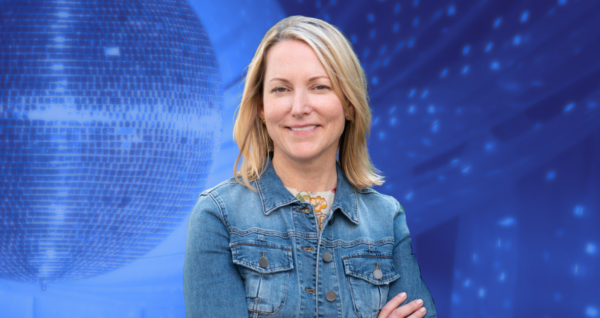
Molly Gochman, 2025 Zero Tolerance Honoree

Every year, at our Zero Tolerance Benefit, Sanctuary for Families honors those who have significantly contributed to the movement to end gender-based violence.

Every year, at our Zero Tolerance Benefit, Sanctuary for Families honors those who have significantly contributed to the movement to end gender-based violence. This year, we are thrilled to present the 2025 Zero Tolerance Award to artist and activist Molly Gochman.

INTRODUCING MOLLY

Molly Gochman, an artist and activist deeply engaged in social practice, focuses on activating spaces for profound collective experiences. Her practice encompasses a diverse range of mediums including photography, sound, installation, and sculpture. Through these mediums, she often challenges and subverts conventional material boundaries to foster interaction, play, exploration, and meaningful dialogue.

In addition to her art practice, Molly’s commitment to creating a more just and equitable world led her to found Stardust—an organization encompassing philanthropy and impact investments. Through Stardust, she supports movements focused on care, strengthens community ecosystems, and prioritizes lived experience leadership through collaborative partnerships. Molly seamlessly weaves her artistic practice with Stardust’s philanthropic and investment strategies, driving positive change.

Molly has elevated Sanctuary’s mission since 2014 through both investment and advocacy. She has participated in meal preparation and sharing with survivors of sex trafficking, provided exercise equipment for clients who use running as a trauma coping strategy, and enabled the growth of Sanctuary’s future leaders through financial support and mentorship. Additionally, she has donated photographs from her international activist artwork, Red Sand Project, which sheds light on the vulnerabilities that contribute to exploitation.

Molly received a Bachelor of Fine Arts in Sculpture from Guilford College. Currently, she serves as Chair of the Board of the Freedom Fund and sits on the board of Wassaic Project. She is a member of the Brooklyn Museum’s Council for Feminist Art and the New Museum’s Artemis Council. Her previous board service includes Creative Time, Aurora Picture Show, Children’s Rights, and the Orange Show Foundation. Originally from Texas, Molly is currently based in New York.


Join us for our Zero Tolerance Benefit on Wednesday, June 4, 2025, to honor survivors of gender violence and pay tribute to Molly and three fellow inspirational leaders in this work.

LEARN MORE & GET TICKETS